No more relying on mainframe exports: With Elixir Cloud's enterprise use cases, the leading insurer of military members and their families can handle real-time comms, multichannel delivery, and more.
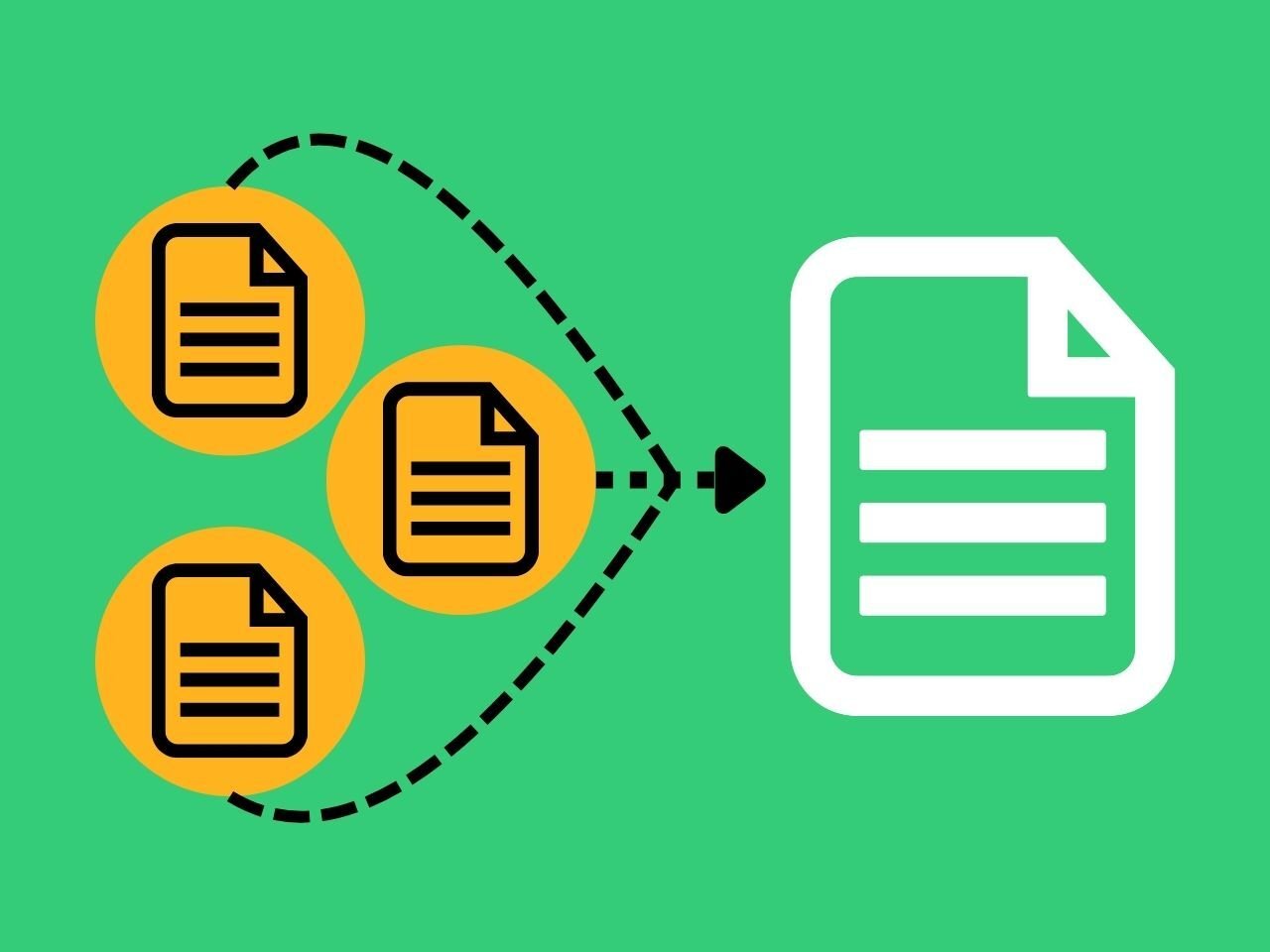
6,000+ templates consolidated
for faster changes and multichannel delivery

6 lines of business, 1 centralized platform
replacing 42 years of patchwork legacy CCM tooling

CCM cloud migration in <1 year
replacing 42 years of tech debt and enabling real-time data processing via API
Boasting a 96% member retention rate — among the highest in the entire industry — USAA’s commitment to customer experience has never been in question. The insurance and banking products it provides to members and veterans of the American military and their families, including property and casualty (P&C) and life insurance, rely on consistent, customer-centric communication at every touchpoint.
And for decades, USAA has nurtured the technology that underpins their customer communications management (CCM), updating in response to current needs. But leaders in its Operational Communications function said each new tool and layer added over the years felt like a half-measure — a coping mechanism that never quite filled the gap between their current state and the increasing expectations of its growing member base.
Elixir Cloud put the next evolution of their customer communications within reach for the first time in decades.

Before: Patchwork tools holding back progress
“We need to be where the customer wants us to be,” said Andy Keller, lead technical architect with USAA. Their specific clientele — members of the U.S. military and their families — requires an even more considered approach to comms. “Whatever channel they want … whether that's a text message or a push notification, MMS, RCS, whatever is the latest thing right now.
“Whatever we provide [also] has to be secure. We don't want to put their information at risk. And then it's got to be pertinent — it's got to be the information they ask for.”
Together, those commitments form the backbone of the way USAA interfaces with its customers. For more than four decades, their focus on personalized communications that respect privacy and security have guided the customer comms processes they put in place, the tools they choose, and the investments they make.
Doing business in a regulated industry with protected clientele normally means accepting a degree of operational inflexibility. But USAA’s position in the market gives them a unique perspective and opportunity: No offices plus no local agents equals a high degree of adaptability.
“We are a digital-first company,” Keller said, a status born from its call center roots. “I think USAA was an Internet company before there was such a thing.” They’ve always understood the value of strong customer communications, both in one-to-one conversations and to millions of policyholders at once.
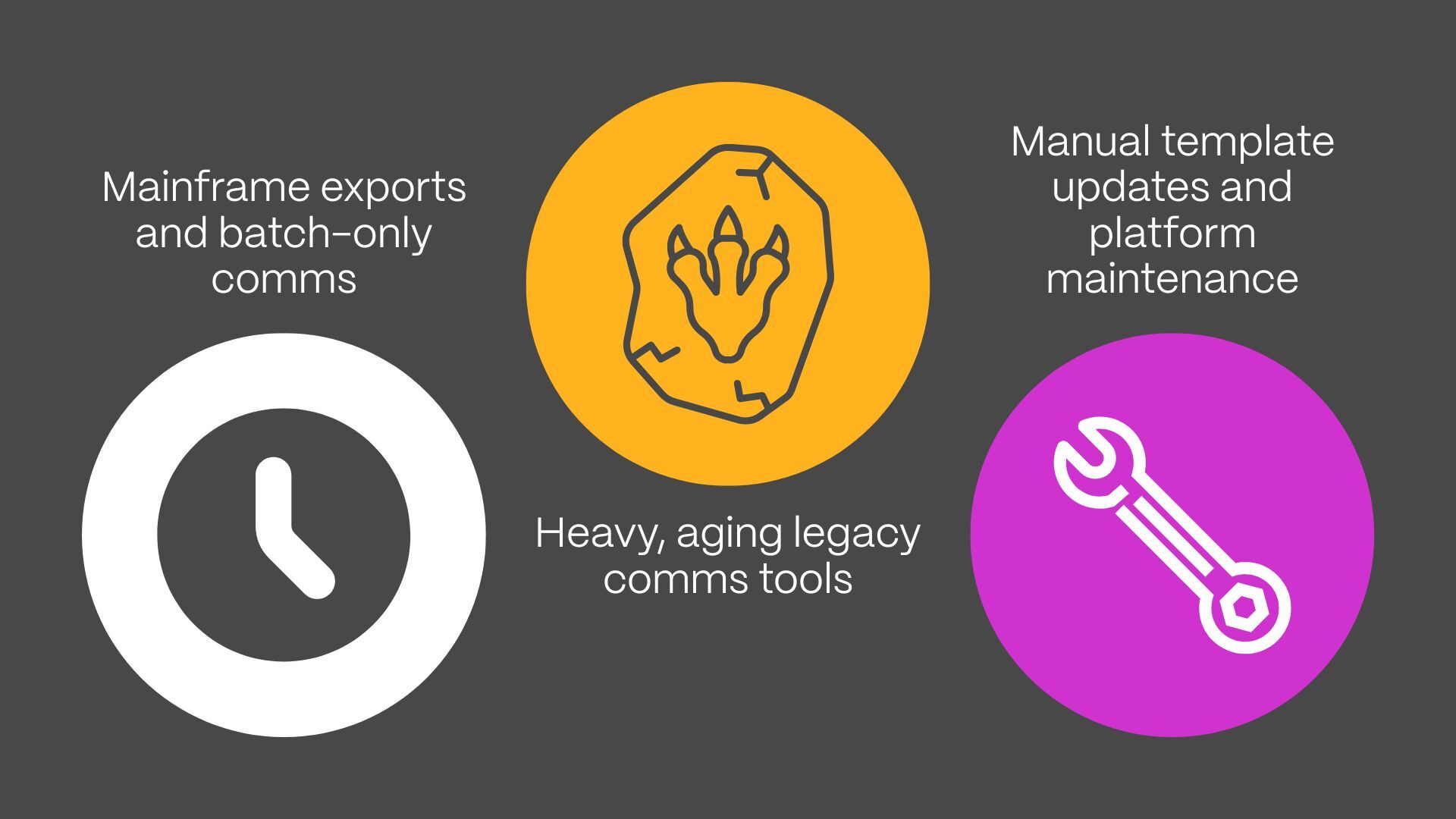
Naturally, those large-scale deliveries have included policy documents, billing statements, text messages, and more — “all the communications that we need to [send] to our members in support of their business with USAA,” Andy said. He and his team connected a patchwork of tools to manage the load, including desktop solutions (like Elixir DesignPro Tools, their authoring platform) and Intelligent Printer, a custom-built application that integrated with the company’s all-points-addressable printers.
Created in the 1980s, Intelligent Printer helped USAA produce a huge volume of communications for their P&C and life insurance lines of business. But as the company grew, so did the complexity of their customer comms: Volume, frequency, channels, personalization, and compliance all started to converge, from independent factors once handled with bespoke tooling to overlapping, intersecting concerns.
Intelligent Printer, once the central hub for sending critical communications, gradually became “one of [USAA’s] biggest pieces of technical debt.” Efficiencies capped, friction increased, consistency was never a given, and their crucial connections with customers hung in the balance.
The problem: A 15-year stalled modernization effort
At the end of the 2000s, some 20 years into the era of Intelligent Printer, USAA started to replace their outdated tooling.
Keller describes the project, later dubbed Enterprise Correspondent System (ECT), as an initiative to “really bring a customer communication management focus” to the company’s existing tools and processes. It certainly bore some of the marks of modern CCM: ECT is a blend of classic and cloud services with abstraction layers between custom-built apps and vendor software.
Andy said that at its heart, ECT was Document Sciences xPression (later OpenText xPression) “with an enterprise harness on top.” It was a step forward in USAA's CCM journey, allowing them to keep managing print and email and add channels like SMS, personalized webpages, and modern digital delivery capabilities — but it still wasn’t the revolution Andy knew they needed.
For one, it didn’t enable the team to modernize and standardize their 6,000+ templates (that project would wait another 15 years). It was also still held back by legacy tech: ECT uses xPression to generate documents and text messages, which Andy compared to “using a 10-pound sledgehammer to drive a penny nail … It's silly, but it was the tool we had.”
They needed a modern, centralized solution for their customer comms; something that didn’t just help them keep up today, but would let them enhance processes, open new revenue streams, and leverage new opportunities to connect with customers in the future. In an age where customer expectations and risk kept increasing, ECT simply wasn’t what USAA needed if they wanted to “be where the customer" is; to stay “secure”; to remain “pertinent”.

Without a forward-thinking solutions partner who could also deliver in the short term, USAA’s comms team struggled to justify the multi-year investment it would’ve taken to install the end-to-end CCM platform they’d dreamed of.
“If things take longer than a couple of years, it's really hard to … see the journey to the end,” Andy said. “Every three or four years … somebody would understand the vision and we would go do another 10 or 15%” — but truly modern, centralized CCM remained perennially just out of reach.
Until Elixir Cloud.
The Elixir Cloud solution: A centralized, secure, accessible CCM platform
By 2019, a sudden knowledge gap strained the USAA team’s ability to manage the legacy tools that still underpinned its customer comms, including xPression and Intelligent Printer. “That left us in the lurch,” Andy said. “We didn't really have anybody who knew the system inside and out.”
But the gap also presented an opportunity to finally put in place the CCM solution Andy and his team have dreamed of for more than four decades. The business looked at leading CCM tools as they tried to “reignite” their customer communications, but their familiarity with Elixir’s desktop solutions made Elixir Cloud stand out.
“We started exploring [Elixir Cloud] and we said, ‘Well, we can actually replace our entire technology stack … [We can replace] 42-year-old technical debt with this.’”
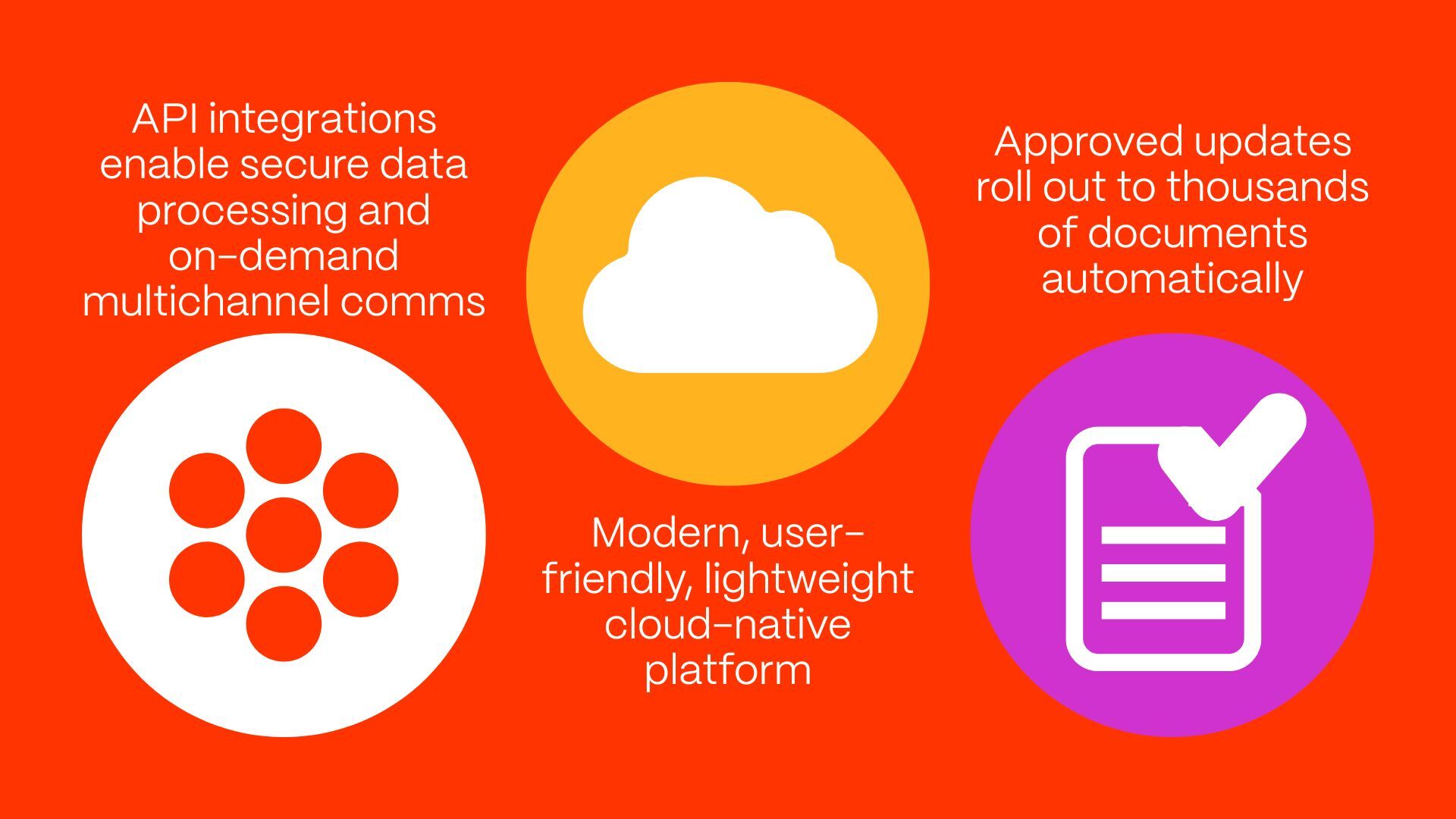
Here are the Elixir Cloud features most relevant to USAA’s needs:
- What-you-see-is-what-you-get (WYSIWYG) tooling with an interface designed to let users of all skill levels help manage customer comms
- Role-based access control with custom permissions to enable self-service across departments without adding risk
- Reliable scalability with secure AWS cloud infrastructure that can quickly scale up to meet peak demand and support long-term business growth
- Collaborative workspaces where different teams can test, configure, and author comms templates
- Version control and change management for auditability and rollback
- The ability to coordinate and send millions of comms pieces across physical and digital touchpoints
- Centralized control of customer communications management across six lines of business
- Smooth API integrations to streamline workflows between their CCM and common data sources and delivery tools
Beyond pure product features, Andy said the Elixir team’s responsiveness made the decision even easier. Feature requests and bug reports weren’t prioritized by their existing CCM tool providers, leading to further tech debt just trying to make do. “[By the time it’s updated] you have all these workarounds, and then it gets fixed, and your workarounds break things,” he said. “And [the update] shows up three versions later and four years from now, when you don't really need it anymore, right?”
But “[Elixir is] willing to listen," Andy said. “When you report something, it's in the next release.”
The Elixir Catalyst difference: Years-long migration in months
USAA’s legacy systems manage thousands of templates, presenting a huge blocker to their CCM modernization project. Rebuilding templates by hand could take years of manual effort, and any automation to replicate them would need to meet a high degree of accuracy to stay compliant and deliverable.
Elixir Catalyst, a tool built to securely replicate any existing PDF as an Elixir Cloud project, was instrumental in tackling their template troubles. The Elixir team is using Elixir Catalyst to migrate more than 6,000 of USAA’s document templates in under a year. Once they’re migrated, they’re working to consolidate or deprecate the majority of those templates with Elixir Cloud.
The future: New use cases, same commitment to quality
With their insurance communications moving to Elixir Cloud at an unprecedented pace, USAA is already reaping the benefits of modern CCM. But they’re also looking beyond the ways their legacy tools trained them to think about their customer comms. Now, they’re thinking about how they can improve comms efficiency and relationships with their policyholders:
With Elixir Cloud, USAA has closed the loop on a 40+ year journey toward better customer communications. But they’ve also built the foundation for a CCM practice that will help them navigate changing customer behavior, keep up with evolving infrastructure needs, shrink critical knowledge gaps, and continue providing best-in-class service to their customers for decades to come.
“It was inspiring, to be honest,” Andy said. “[Competitors] claim they can do it. We know you do it already. We've seen it in action.”
Demo Elixir Cloud to learn how modern CCM revolutionizes the customer journey with unified consistency, collaboration, security, personalization, and delivery.