
At Elixir Technologies, innovation isn't something we talk about at quarterly reviews. It's something we practice. Regularly, deliberately, and with real investment.
.jpg?width=1200&length=1200&name=Elixir%20Labs%202026%20Hackathon_2026-06-15%2014-25-00%20(8).jpg)
.jpg?width=1200&length=1200&name=Elixir%20Labs%202026%20Hackathon_2026-06-23%2014-22-00%20(18).jpg)
.jpg?width=1200&length=1200&name=Elixir%20Labs%202026%20Hackathon_2026-06-18%2014-00-00%20(3).jpg)
.jpg?width=1200&length=1200&name=Elixir%20Labs%202026%20Hackathon_2026-06-23%2014-22-00%20(7).jpg)
.jpg?width=1200&length=1200&name=Elixir%20Labs%202026%20Hackathon_2026-06-23%2014-22-00%20(21).jpg)
.jpg?width=1200&length=1200&name=Elixir%20Labs%202026%20Hackathon_2026-06-23%2014-22-00%20(16).jpg)

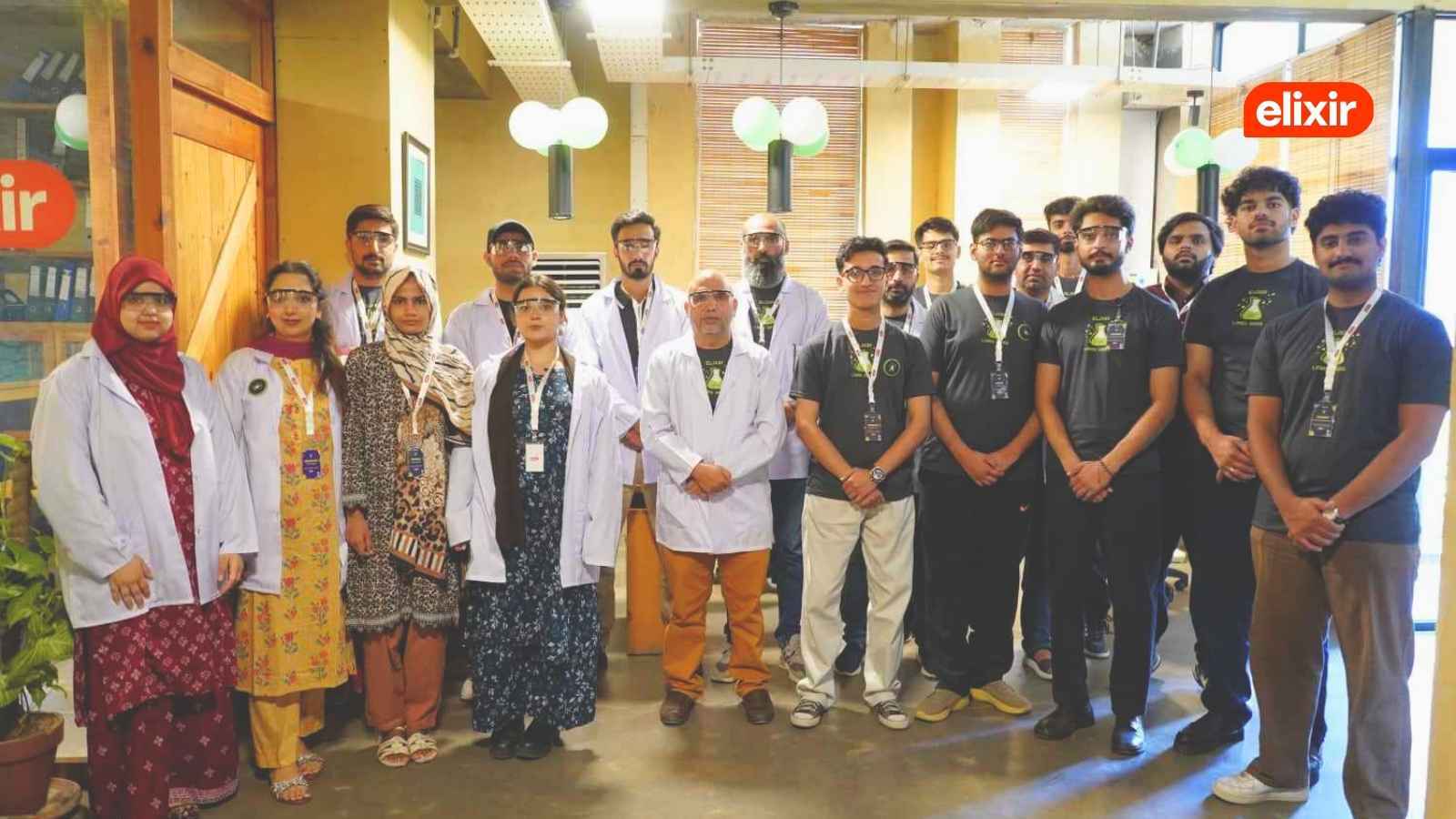
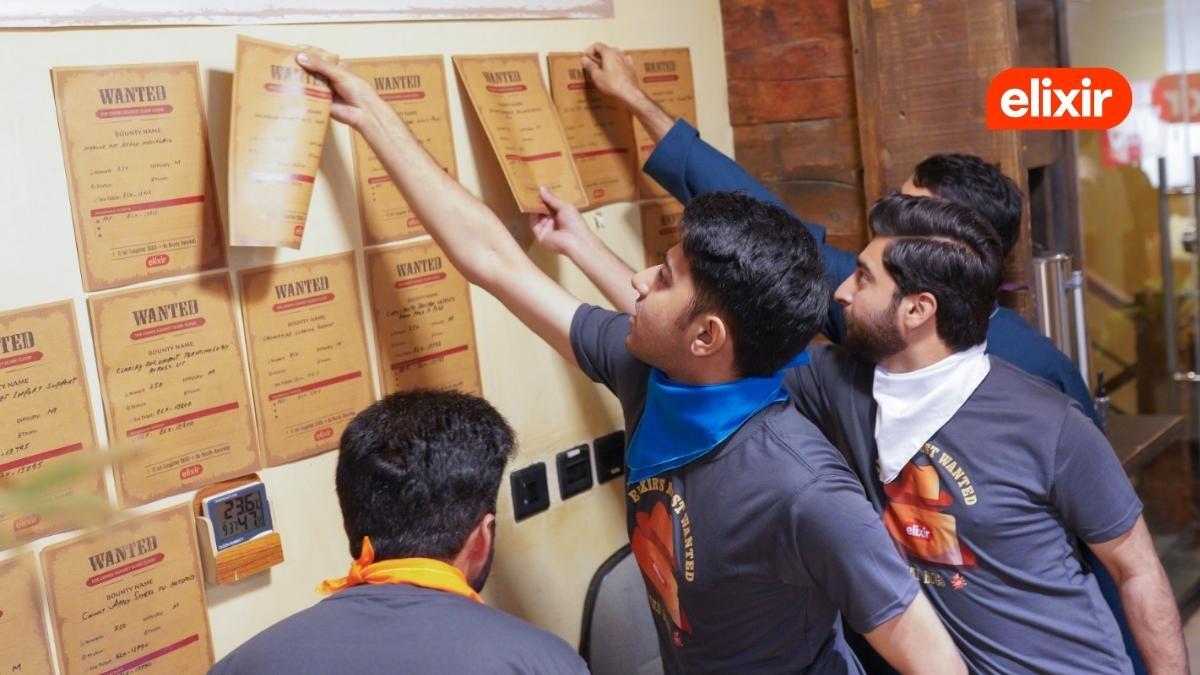
Elixir Labs is one of several engineering events we run throughout the year, each with its own theme, format, and competitive structure. This particular edition was a multi-day hackathon where our engineering teams stepped away from their regular sprint cadence to build solutions they believed would drive the most value for our customers and our platform. They chose their own projects. They formed their own teams. They built from scratch and shipped in days.
Why We Run Hackathons
This isn't a side project or a team-building exercise disguised as work. It's a strategic investment in the people and ideas that move our product forward. Features that our customers use today started as hackathon experiments. The event is designed to surface those ideas faster than a traditional product development cycle ever could.
The Philosophy: Autonomy with Accountability
Every engineering event we run is different in format and theme, but the core principles stay consistent: give engineers real problems, hold them to real standards, and get out of their way.
For Elixir Labs 2026 specifically, the structure looked like this:
Teams choose what they build, but they're held to production standards.
This isn't throwaway prototype code. Every submission is evaluated against the same quality criteria we apply to regular releases: tested, documented, reviewed, and architecturally sound. The code must be mergeable. The solution must work. The approach must be defensible.
Evaluation rewards impact above all else.
Our scoring rubric weights real-world impact and execution quality as 60% of the total score. Creativity and ambition matter, but they don't override whether the solution actually solves a meaningful problem. This keeps teams focused on customer and company value rather than optimizing for flash.
Every team earns.
For this edition, we used a proportional model where every participating team received prize money based on their performance. This removed the fear of "losing" and let teams take genuine risks. But our event formats evolve. Each hackathon brings a different structure, different theme, and different competitive model to keep things fresh and challenge teams in new ways.
The result: teams swing for projects they believe in rather than hedging with safe, predictable work. That's where the best ideas come from.
AI-Assisted Development: Building the Future with the Future
This year's edition introduced a requirement that every team use AI-assisted development tools as core parts of their workflow. Specifically, Amazon Q and Kiro were required companions throughout the build process.
This wasn't about shipping AI features to customers. It was about fundamentally changing how our engineers approach building software. The tools served as force multipliers across the entire development lifecycle:
Faster discovery.
Teams reached working prototypes dramatically faster than in previous events. The gap between "idea on a whiteboard" and "something I can interact with" compressed significantly, giving teams more time to refine, test, and polish their solutions.
Broader contribution.
Cross-functional teams operated more effectively because AI tools bridged knowledge gaps. Engineers could contribute meaningfully outside their primary specialization, which meant teams of six covered the surface area that would normally require twice as many people.
Quality preservation.
Our primary concern was that speed might come at the cost of quality. The opposite proved true. Teams invested the time saved on repetitive work into better testing, documentation, and edge case handling. The overall submission quality was the highest we've observed across any event we've run.
For our customers, this matters because it means Elixir's engineering team is actively adopting and mastering the tools that will define the next decade of software development. The productivity and quality benefits compound over time, which translates directly into faster feature delivery, more responsive support, and a more reliable platform.
Investing in the Next Generation
Elixir Labs 2026 included students from FAST National University (NUCES) embedded directly into our engineering teams. Not as observers in a separate track, as full contributing members building alongside engineers with years of industry experience.
This approach reflects a core belief at Elixir: the best way to develop engineering talent is through immersion in real work, under real conditions, with real stakes. A week embedded in a hackathon team provides a density of professional exposure that months of traditional internship can struggle to match.
The students contributed meaningfully to their teams' outputs. They participated in architecture decisions, wrote production-quality code, and experienced firsthand what it means to ship software as part of a professional engineering organization.
For Elixir, this investment serves multiple purposes. It strengthens our relationship with the local academic community. It gives us early exposure to exceptional talent. And it reinforces the collaborative, teaching-oriented culture that our engineering teams value.
Innovation as a Customer Promise
Our customers operate in some of the most regulated industries in the world: healthcare, insurance, and financial services. They need a technology partner that moves fast without breaking things. That ships new capabilities consistently. That invests in the future of the platform they depend on.
Hackathons like Elixir Labs are part of how we deliver on that promise.
These events generate new ideas that would never surface in a standard product backlog. They stress-test new technical approaches in compressed timelines. They identify the engineers and solutions that will shape our product roadmap for the quarters ahead. Several features currently available in Elixir Cloud started as hackathon experiments and were refined into production-ready capabilities through our standard development process.
When our customers evaluate technology partners, they're not just buying today's product. They're betting on the team behind it: its creativity, its discipline, its ability to evolve. Events like this are how we ensure that bet keeps paying off, year after year.
Elixir Labs 2026: By the Numbers
-
65 engineers across 11 self-organized teams
-
4 days of focused building (June 15-18, 2026)
-
11 experiments submitted and evaluated by a 5-judge panel
-
23 bonus engineering tasks completed alongside main projects
-
University students integrated as full team members
-
AI-assisted development tools used by every team as core workflow infrastructure
What's Next
Many of the experiments built during Elixir Labs 2026 are being evaluated for integration into the Elixir Cloud product roadmap. The energy, output, and team engagement from this event reinforces what we already knew: when you give talented engineers autonomy, real problems to solve, and the best tools available, they build things that matter.
Our innovation program doesn't stop at a single event. We run multiple engineering events throughout the year, each with different themes, formats, and challenges designed to push the boundaries of what our platform can do and how fast we can deliver it. No two events look the same, which keeps the team engaged and ensures we're always approaching problems from fresh angles.
For our customers, the message is simple: the team building your platform never stops improving. The tools get better. The people get sharper. The ideas keep coming. And we keep shipping.